The Role of IoT in Real-Time Pipeline Monitoring
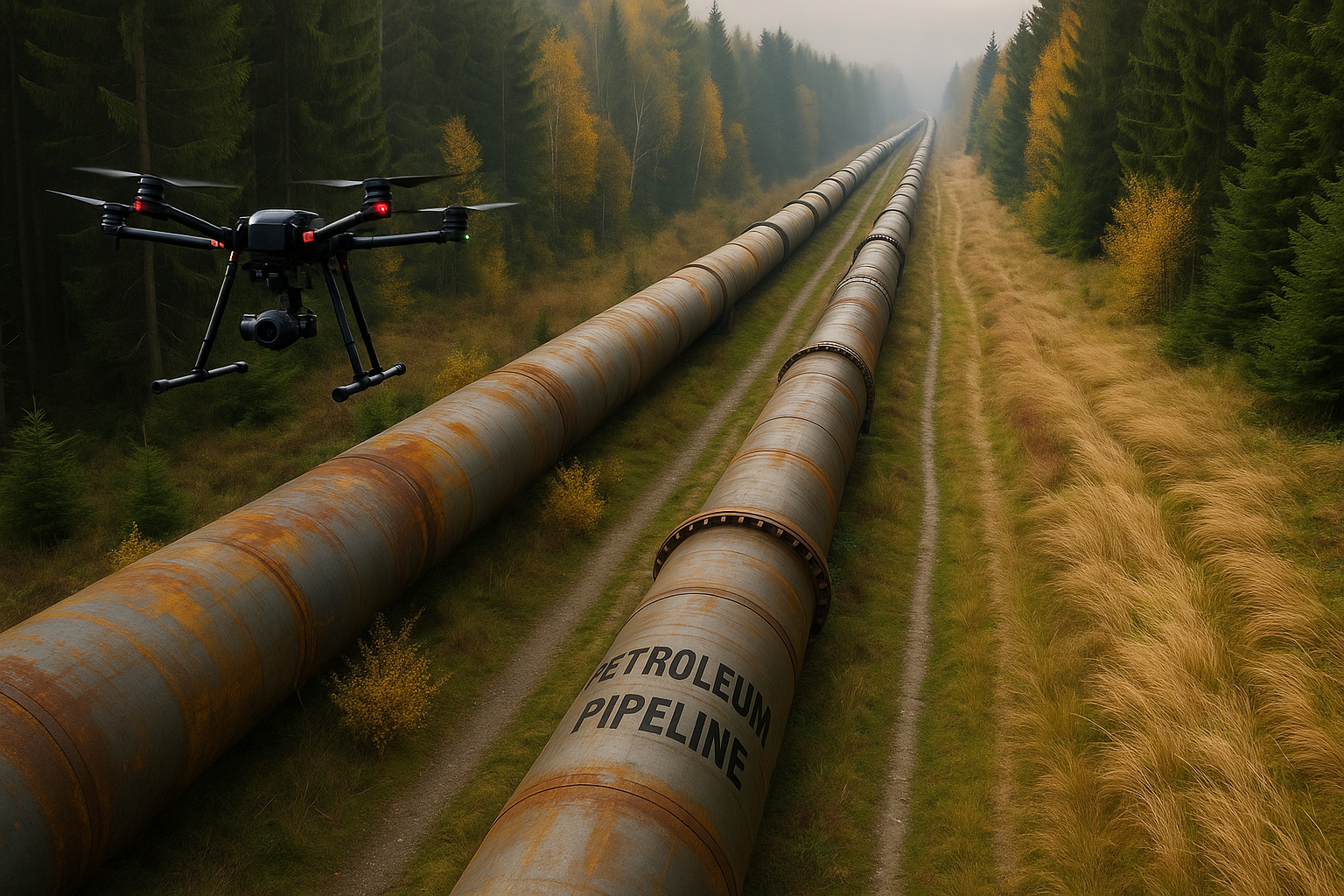
In the ever-evolving landscape of oil and gas infrastructure, pipeline security and performance are no longer just engineering challenges—they are technology challenges. At the heart of this transformation is the Internet of Things (IoT), which is reshaping how pipeline systems are monitored, maintained, and secured. Real-time pipeline monitoring through IoT isn’t just a trend; it’s a critical innovation that enhances operational efficiency, safety, and environmental compliance.
What Is IoT in Pipeline Monitoring?
IoT refers to the interconnected network of physical devices—sensors, actuators, gateways—that collect and transmit data through the internet or private networks. In the context of pipeline monitoring, IoT devices are embedded along pipeline infrastructure to measure various operational parameters such as pressure, temperature, flow rate, vibration, and leak indicators.
These smart sensors continuously stream data to centralized systems, where analytics engines or AI-driven platforms interpret the information in real-time. The result? Instant awareness of pipeline health and potential issues—without the lag time of manual inspections or batch data uploads.
Why Real-Time Monitoring Matters
Pipelines often run through remote, environmentally sensitive, or geopolitically volatile regions. Waiting hours—or even minutes—for manual readings can be the difference between safe operations and catastrophic failures. Real-time monitoring enables instant alerts for leaks, pressure drops, unauthorized activities, or potential mechanical failures.
With IoT, operators gain a live, digital twin of their pipeline infrastructure. This allows for rapid decision-making, automated shut-off protocols, and proactive maintenance interventions before small issues become major disruptions.
Benefits of IoT-Driven Monitoring
1) Early Leak Detection:
IoT sensors identify anomalies in pressure and flow rates, which may indicate micro-leaks or majorruptures. Early detection means faster containment, less product loss, and minimized environmental damage.
2) Predictive Maintenance:
By analysing historical and real-time data, operators can forecast equipment wear and proactively schedule repairs, extending asset life and reducing unplanned downtime.
3) Reduced Operational Costs:
Remote monitoring reduces the need for manual inspections across long distances, lowering labour costs and improving resource allocation.
4) Enhanced Safety:
IoT systems can trigger automatic shutdowns in response to critical threats, reducing human risk and improving compliance with safety standards.
5) Environmental Protection:
Real-time alerts help prevent spills and contamination, supporting more responsible energy production and aiding ESG commitments.
Challenges and Considerations
While IoT offers immense value, implementation must be approached thoughtfully. Challenges include data security, network connectivity in remote areas, and device calibration. Cybersecurity is a top concern—especially when these systems interface with SCADA or control networks. Ensuring encrypted communication, network segmentation, and secure device onboarding are essential safeguards.
Looking Ahead
The future of pipeline monitoring is intelligent, automated, and connected. As AI and machine learning capabilities deepen, IoT devices won’t just monitor—they’ll recommend and even act autonomously to mitigate risks. For oil and gas companies, adopting IoT is no longer optional; it’s foundational to a resilient and efficient pipeline ecosystem.
At AXIA, we champion the fusion of industrial expertise with smart technology. By harnessing IoT for real-time pipeline monitoring, we’re not only protecting assets but building a smarter, safer future for energy infrastructure.