Building an Effective Incident Response Plan for Pipelines
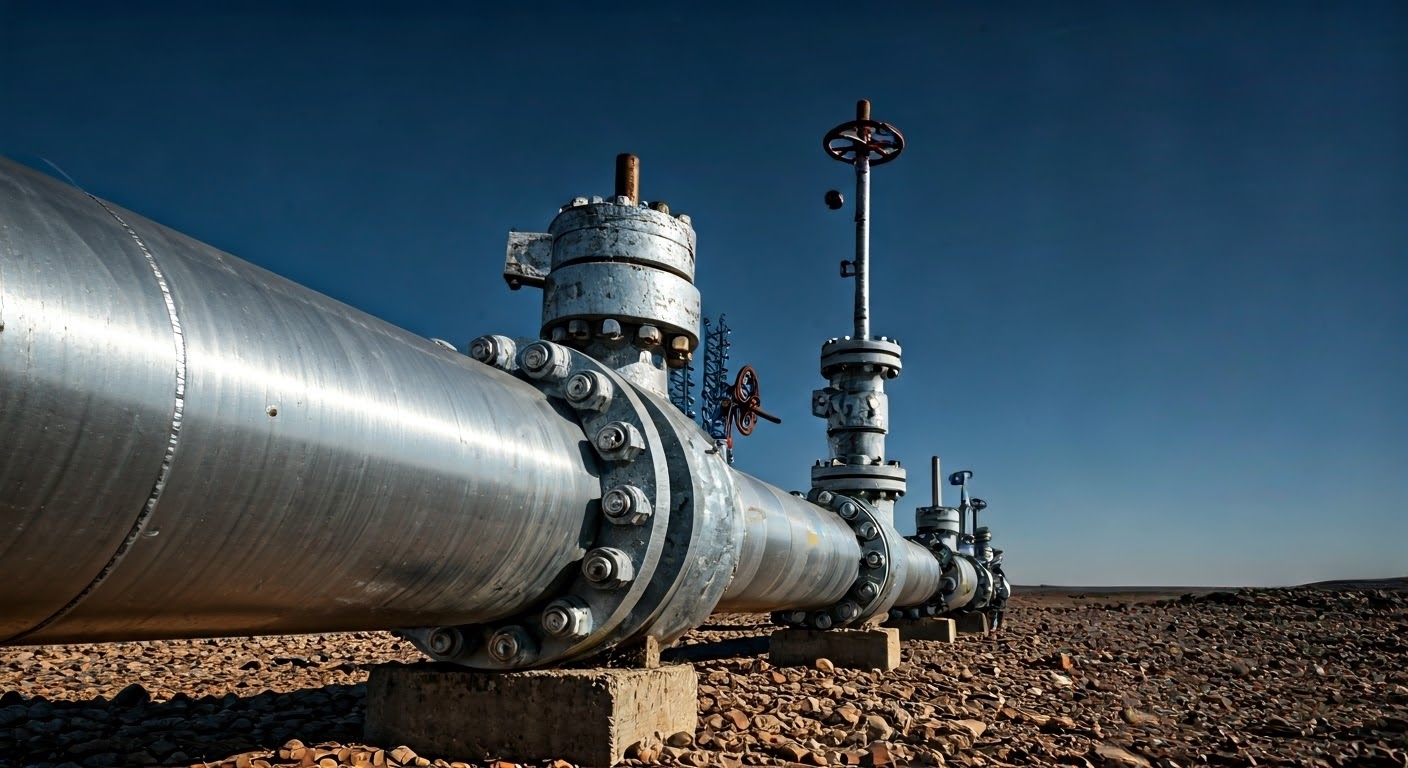
In the high-stakes world of oil and gas infrastructure, incidents are not a matter of “if”—they are a matter of “when.” From leaks and ruptures to cyber intrusions and equipment failures, pipelines face a wide array of risks. When things go wrong, time is critical. A delay of even minutes can result in major safety hazards, environmental damage, and financial losses. This is why every pipeline operator must have a robust, well-practiced Incident Response Plan (IRP) in place.
At AXIA, we help our clients move from reactive responses to proactive, technology-enabled preparedness. Here’s what it takes to build an effective IRP tailored for modern pipeline systems.
1. Identify and Prioritize Risks
The first step in building any incident response plan is conducting a comprehensive risk assessment. Operators must identify potential threats across the full lifecycle of pipeline operation, including:
- Physical threats (leaks, ruptures, natural disasters)
- Technological threats (sensor failure, system malfunctions)
- Cyber threats (SCADA breaches, data manipulation)
- Human errors (operational mistakes, contractor negligence)
Each risk must be prioritized based on likelihood and potential impact, helping organizations allocate resources where they matter most.
2. Define Roles and Responsibilities
In an emergency, confusion kills time. A strong IRP outlines clear roles and responsibilities across the organization—from field technicians and control room operators to senior executives and external emergency services.
Who shuts off valves? Who communicates with regulators? Who oversees recovery? A well-structured incident command system (ICS) ensures that everyone knows exactly what to do and when to do it.
3. Establish a Tiered Response Framework
Not all incidents require the same level of response. A successful plan uses a tiered approach:
- Tier 1: Minor alerts (sensor faults, low-pressure events)
- Tier 2: Moderate incidents (localized leaks, security breach attempts)
- Tier 3: Major emergencies (pipeline rupture, confirmed cyberattack)
Each tier should trigger a specific set of protocols and escalation steps, including automatic alerts, shutdowns, and mobilization of emergency response teams.
4. Integrate Smart Technologies
Modern IRPs must go beyond paper-based procedures. Leveraging real-time monitoring, AI-driven threat detection, and automated shutdown systems can significantly reduce response time and human error.
At AXIA, we help clients integrate IoT devices, SCADA systems, drones, and digital command centers to build a digital-first approach to incident management.
5. Conduct Regular Drills and Simulations
Even the best plan is useless if it’s not tested. Regular drills help teams practice their roles, test systems under pressure, and uncover gaps in the response framework. Include tabletop exercises, live-action simulations, and cybersecurity breach scenarios to ensure comprehensive preparedness.
6. Post-Incident Review and Continuous Improvement
Every incident—real or simulated—should be followed by a formal review. What went well? What failed? What could be improved? Use this insight to refine your IRP and ensure it evolves with changing threats and technologies.
Conclusion
An effective Incident Response Plan is more than a compliance requirement—it’s an operational lifeline. In an industry where seconds matter, being prepared is being protected. At AXIA, we help pipeline operators build intelligent, agile, and technology-backed IRPs that respond fast, minimize damage, and protect lives, assets, and the environment.